
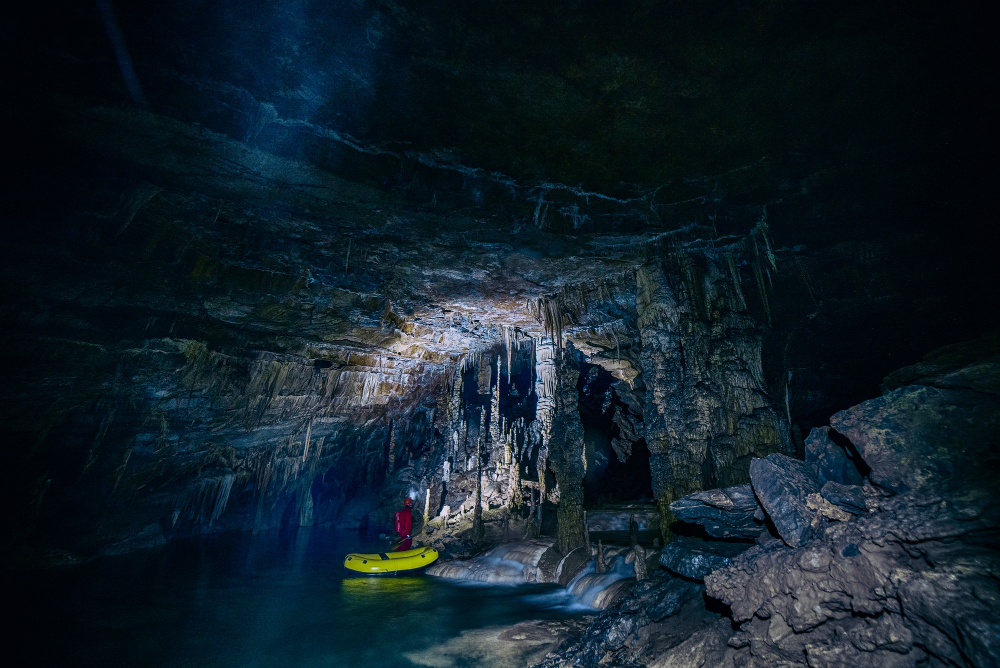

Deep beneath the earth’s surface lies a breathtaking natural wonder known as Cueva 3. Mysterious, ancient, and full of geological marvels, this cave has become a favorite destination for travelers seeking adventure, history, and natural beauty. Whether you are a seasoned explorer or a curious traveler, visiting Cueva 3 is an unforgettable experience that combines nature, science, and discovery.
This comprehensive guide will walk you through everything you need to know about visiting Cueva 3 — from how to get there and what to bring, to the fascinating history and must-see features that make it truly special.
Introduction to Cueva 3
Cueva 3 is one of the most fascinating cave systems in its region, often celebrated for its stunning rock formations, ancient fossils, and hidden chambers. The cave gets its name from the numbering system used by researchers who explored a series of caves in the area, with “Cueva 3” standing out for its depth and diversity of natural wonders.
Unlike more commercialized caves, Cueva 3 retains much of its wild charm, offering visitors a raw, authentic experience of subterranean exploration. The air is cool and still, the walls glisten with mineral deposits, and the echo of dripping water creates an almost mystical atmosphere.
A Glimpse into the History of Cueva 3
The story of Cueva 3 stretches back thousands of years. Archaeological evidence suggests that early humans may have used parts of the cave for shelter, rituals, or as a sacred site. Ancient carvings and primitive tools have been discovered in nearby areas, hinting at the cave’s cultural importance.
In more recent centuries, explorers and scientists began studying Cueva 3 to understand its geological formation and its connection to regional ecosystems. Many believe that the cave’s limestone passages were shaped over millions of years by flowing underground rivers. Today, it stands as both a natural monument and a window into the Earth’s past.
Location and How to Get There
Cueva 3 is typically located within a national park or protected reserve, surrounded by lush forests or mountain terrain. While exact access details may vary depending on the region, most visitors can reach the area by road from the nearest city or town.
If you are driving, it is advisable to use a four-wheel-drive vehicle, as some sections of the route may include dirt roads or uneven trails. Many guided tours also offer transportation to the site, which can make the journey smoother for first-time visitors.
Upon arrival, you will often find a designated parking area and a visitor center where guides provide safety briefings and information about the cave’s features. From there, a short hike usually leads to the entrance of Cueva 3 — a breathtaking gateway into the underground world.
The Best Time to Visit Cueva 3
Timing your visit can make a significant difference in your experience. The best months to explore Cueva 3 are typically during the dry season, when trails are less muddy, and access to the cave is safer and easier. In many regions, this period falls between late spring and early autumn.
Morning visits are recommended, as the air is cooler, and you’ll have more daylight for exploring nearby attractions. Avoid visiting during heavy rain or storm seasons, as these can make certain cave passages slippery or temporarily inaccessible. Always check weather updates and contact local authorities or tour operators before planning your trip.
What to Expect Inside the Cave
Once you step into Cueva 3, you’ll be greeted by a mesmerizing world of stalactites and stalagmites, shimmering mineral veins, and vast underground chambers that feel almost otherworldly.
The cave features several distinct sections, each with its own geological and visual characteristics. Some parts are narrow and require careful navigation, while others open into enormous caverns illuminated by soft artificial lighting. You may also hear the distant sound of underground water trickling through the stone — a constant reminder of the natural forces that shaped this subterranean landscape.
Expect a mix of guided exploration and moments of quiet awe as you take in the beauty of nature’s slow artistry.
Essential Tips for Visiting Cueva 3
Before venturing into Cueva 3, there are a few important things to keep in mind to ensure a safe and enjoyable experience:
- Wear proper footwear: Sturdy, non-slip hiking boots are essential. The cave floor can be uneven and damp.
- Bring a light jacket: Temperatures inside the cave tend to be cooler than outside, even in summer.
- Use hands-free lighting: A headlamp allows you to keep your hands free while navigating darker passages.
- Follow safety guidelines: Always stay with your guide and avoid touching fragile formations, which can take centuries to form.
- Carry water and snacks: If your tour lasts several hours, staying hydrated and energized is important.
Responsible exploration helps preserve the cave for future generations while ensuring your own safety during the adventure.
Guided Tours and Local Experiences
Most visitors experience Cueva 3 through guided tours, which are often led by experienced speleologists or local guides who share fascinating insights into the cave’s history, geology, and wildlife. Tours typically vary in length and difficulty — from short introductory walks to deeper exploration routes for experienced adventurers.
Some tours also include nearby attractions, such as waterfalls, nature trails, or viewpoints that overlook the surrounding landscape. For those who enjoy photography, guides can help you find the best spots to capture the dramatic beauty of the cave.
Booking in advance is highly recommended, especially during peak travel seasons when visitor numbers are limited to protect the delicate ecosystem.
Wildlife and Ecosystem of Cueva 3
Cueva 3 is not just a geological marvel — it’s also a unique ecosystem that supports a variety of life forms adapted to darkness. You may encounter small bats, blind fish, insects, or even unique crustaceans that thrive in the cave’s streams and pools.
Outside the cave, the surrounding area often hosts diverse flora and fauna. Expect to see tropical plants, birds, and sometimes even small mammals that depend on the cave’s microclimate. Visitors are reminded to respect the natural balance by avoiding loud noises, keeping flash photography to a minimum, and never disturbing the cave’s inhabitants.
Cultural and Spiritual Significance
Beyond its natural allure, Cueva 3 holds deep cultural and sometimes spiritual meaning for local communities. For many indigenous groups, caves are considered sacred spaces — symbols of rebirth, mystery, and the connection between the physical and spiritual worlds.
Local legends often speak of spirits, hidden treasures, or ancient guardians that protect the cave. Visitors are encouraged to approach the site with respect and mindfulness, recognizing its role not just as a tourist attraction, but as a place of cultural heritage and historical identity.
What to Do Nearby
After exploring Cueva 3, there are often many nearby attractions worth visiting. Depending on the region, you might find hiking trails, waterfalls, scenic lookouts, or small villages that offer authentic cultural experiences.
Many travelers enjoy combining their cave visit with nature walks or local culinary tours. Trying regional dishes, shopping for handmade crafts, and interacting with local residents can enrich your overall experience. For photographers and nature lovers, sunrise and sunset views in the surrounding landscape provide the perfect ending to a day of adventure.
Conclusion
Visiting Cueva 3 is more than a trip — it’s a journey into the heart of nature’s most ancient and mysterious creations. Every twist and turn inside the cave reveals something extraordinary, from delicate mineral formations to echoes of ancient history. Whether you’re drawn by science, adventure, or pure curiosity, this destination offers an unforgettable experience that stays with you long after you’ve left its cool depths.
When you explore Cueva 3, remember to move with respect, curiosity, and a sense of wonder. In doing so, you not only witness the power of nature but also become part of the timeless story that continues to shape this incredible subterranean world.
FAQs
1. Is Cueva 3 safe to visit for beginners?
Yes, most tours are designed with safety in mind and accommodate beginners. Professional guides ensure visitors are well-informed and equipped for the experience.
2. How long does it take to explore Cueva 3?
The duration depends on the tour, but most visits last between one and three hours. Extended explorations may take longer, especially for more advanced routes.
3. Can children visit Cueva 3?
Yes, children can visit as long as they are accompanied by adults. Some sections may not be suitable for very young kids, so check with the tour provider beforehand.
4. Are cameras allowed inside Cueva 3?
Photography is usually allowed, but flash should be avoided to protect delicate cave organisms and maintain the natural environment.
5. Do I need special equipment to visit Cueva 3?
Basic tours require only comfortable clothing, sturdy shoes, and a headlamp. More advanced tours may provide or require safety gear such as helmets or harnesses.
Also read: 10 Best Authors Like Dan Brown Every Thriller Fan Should Read


Leave a Comment