

Smoke detectors are one of the most important safety devices in any home, workplace, or public building. They provide an early warning in case of fire, saving countless lives every year. However, many people wonder if certain things like vapor, steam, or e-cigarette smoke can cause false alarms. Whether you are using a humidifier, taking a hot shower, or vaping indoors, it is important to know what can trigger these sensitive devices.
This article explores how smoke detectors work, what types exist, how vapor interacts with them, and what you can do to prevent unnecessary alarms.
Understanding How Smoke Detectors Work
Smoke detectors are designed to identify the presence of particles that are typically found in smoke. When these particles enter the detector’s sensing chamber, they trigger the alarm to warn of potential danger. There are two main types of smoke detectors: ionization and photoelectric.
Ionization smoke detectors use a small amount of radioactive material to create a current between two metal plates. When smoke or tiny particles disrupt this current, the alarm sounds.
Photoelectric smoke detectors work differently. They use a light source and a light sensor. When smoke particles scatter the light beam inside the detector, the light hits the sensor and sets off the alarm.
Both types are sensitive, but they detect different kinds of fires. Ionization detectors respond faster to flaming fires, while photoelectric detectors are more responsive to smoldering fires.
What Is Vapor and How Does It Differ from Smoke
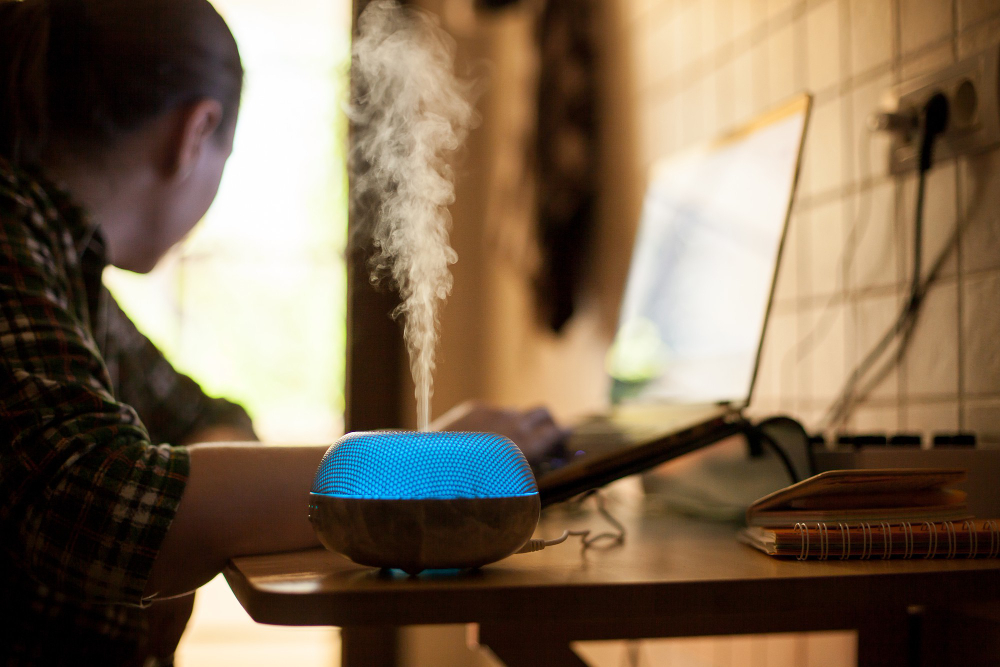
Vapor is a visible mist or aerosol made of tiny water droplets or particles suspended in the air. It can come from many sources, such as steam from a shower, a boiling kettle, a humidifier, or an electronic cigarette.
Unlike smoke, vapor does not result from combustion. Smoke is made of burned particles, gases, and chemical residues, while vapor is generally composed of water or liquid-based particles. Even so, vapor can look similar to smoke, and depending on the type of detector, it can still trigger an alarm if it enters the sensing chamber in sufficient quantity.
Can Steam or Water Vapor Set Off a Smoke Detector
Yes, steam or heavy water vapor can sometimes set off smoke detectors, especially photoelectric ones. When you take a long, hot shower or use a humidifier near a smoke detector, the tiny droplets of water can scatter light in a way that mimics the effect of smoke particles. The detector’s sensor may interpret this as smoke and activate the alarm.
This is why you often see false alarms in bathrooms or kitchens where steam is common. To prevent this, smoke detectors should be placed at least several feet away from showers, stoves, or humidifiers. Using a ventilation fan can also help reduce the amount of vapor in the air.
Can E-Cigarette or Vape Smoke Trigger a Smoke Detector
Vaping can indeed set off some types of smoke detectors. When you exhale vapor from an e-cigarette or vape device, you release a dense cloud of aerosol that can contain particles similar in size to those found in smoke.
Photoelectric smoke detectors are particularly sensitive to these particles because the vapor can scatter the light beam inside the detector, just like smoke would. Ionization detectors are less likely to be affected, but if enough vapor accumulates near them, they too can trigger a false alarm.
This is why many public places, hotels, and offices have policies against vaping indoors. Even though vapor is not dangerous like smoke from a fire, it can still activate alarms, causing unnecessary disruptions.
Common Situations That Cause False Alarms
Smoke detectors are designed to be sensitive, but that sensitivity can sometimes lead to false alarms. Some of the most common triggers include:
- Steam from showers or cooking
- Vapors from e-cigarettes or fog machines
- Dust accumulation inside the detector
- Insects or small debris entering the sensor
- Aerosol sprays such as deodorant or hairspray
- Burning food or toast
- Strong cleaning chemicals
Regular maintenance and proper placement of smoke detectors can significantly reduce the number of false alarms.
Placement Matters: Where to Install Smoke Detectors
Proper placement of smoke detectors plays a major role in preventing false alarms. The National Fire Protection Association recommends installing smoke detectors in every bedroom, outside sleeping areas, and on every level of the home, including the basement.
However, avoid installing them too close to sources of vapor or moisture. For example, do not place smoke detectors directly outside a bathroom door, near the kitchen stove, or above a humidifier. The ideal placement is on a ceiling or high on a wall, several feet away from vents, windows, and steam-producing appliances.
How to Prevent Vapor from Triggering Smoke Alarms
There are several ways to prevent vapor from setting off a smoke detector. First, ensure that the room is well ventilated. Open windows, use exhaust fans, or run a dehumidifier to clear out steam and moisture.
If you are using a vape device, avoid exhaling near a detector. It only takes a small amount of vapor to trigger an alarm in some cases.
In bathrooms, consider using a vent fan during showers to reduce steam buildup. In kitchens, use range hoods when cooking. If your smoke detector is frequently triggered by steam or vapor, you can also consider installing a heat detector in that particular area instead. Heat detectors respond to rapid increases in temperature rather than airborne particles, making them more suitable for kitchens and bathrooms.
Differences Between Residential and Commercial Detectors
Residential smoke detectors are designed for small spaces like homes and apartments, while commercial systems are often more complex. Commercial buildings typically use interconnected systems that include smoke, heat, and carbon monoxide sensors connected to a central alarm system.
These systems may be more or less sensitive to vapor depending on their configuration. For example, photoelectric detectors in hotels and offices are very sensitive, which is why vaping or steaming in those areas often triggers alarms that can alert entire buildings.
In homes, standalone smoke detectors can be less prone to vapor interference, but placement and ventilation still play key roles in minimizing false alarms.
Cleaning and Maintenance Tips
Dust, dirt, and moisture buildup inside a smoke detector can make it more sensitive to vapor and other particles. Regular cleaning helps maintain accuracy.
Use a vacuum or a soft brush attachment to gently clean around the detector’s openings. Avoid spraying cleaning products or air fresheners directly at the unit, as these can leave residues that affect performance.
Smoke detectors should also be tested monthly using the built-in test button to ensure they are functioning correctly. Most models need battery replacements once a year and complete replacement every ten years.
What to Do If a Smoke Detector Is Frequently Triggered by Vapor
If your smoke detector is often set off by vapor or steam, first check the placement. If it is located near a bathroom, kitchen, or humidifier, try moving it to a different location.
If relocation is not possible, consider replacing it with a heat detector in that specific area. Heat detectors are less likely to be affected by moisture and are better suited for environments with high humidity or steam.
You can also contact the manufacturer for advice or consult with a fire safety professional. They can assess whether your smoke detectors are the right type for your space and recommend upgrades if needed.
Conclusion
While vapor is not smoke, it can still trigger certain types of smoke detectors under the right conditions. Steam, e-cigarette vapor, and even aerosol sprays can scatter light or interfere with a detector’s sensors, leading to false alarms.
Understanding how your smoke detectors work and where to place them can prevent unnecessary disruptions. Proper ventilation, regular maintenance, and awareness of what triggers your alarm will help you maintain both safety and convenience.
Ultimately, it is always better to have a sensitive alarm than one that fails to detect danger. By managing vapor sources and maintaining your detectors, you can enjoy both protection and peace of mind.
FAQs
1. Can vapor from a shower set off a smoke detector?
Yes, steam from hot showers can trigger photoelectric smoke detectors because the water droplets scatter light inside the sensor, mimicking the effect of smoke.
2. Can vaping indoors set off a smoke alarm?
Yes, the dense vapor from e-cigarettes can set off some smoke detectors, especially photoelectric types that respond to particles suspended in the air.
3. Are ionization smoke detectors affected by vapor?
Ionization detectors are less sensitive to vapor than photoelectric ones, but heavy or prolonged exposure to vapor can still cause false alarms.
4. How can I prevent vapor from triggering my smoke alarm?
Avoid placing detectors near sources of steam or vapor, ensure good ventilation, and consider using heat detectors in bathrooms or kitchens.
5. Should I disable my smoke detector while cooking or showering?
No, you should never disable a smoke detector. Instead, use fans or ventilation to reduce vapor and relocate detectors if they are too close to sources of steam.
Also read: Military Order of the Cootie: History, Purpose & Legacy of the Honor Degree of the VFW


Leave a Comment